Changes in mobility over the next 5 years
The world of transport, which was revolutionised in 1886 with the of the first automobile, had not experienced such an exciting moment since then until these last few years. Concepts such as sustainable mobility, political proposals such as the 2030 Agenda, and the emergence of smart cities and hybrid and electric cars have meant that societies in Western countries are seeing mobility change at a rapid pace.
And this, inevitably, requires adaptation on the part of citizens, who must become familiar with concepts and trends that are going to radically change the act of getting into a car over the next five years.
What are the key points that at APPARKYA we consider essential? Thanks to our track record and experience in parking management and urban mobility, we consider the following changes and trends to be key to understanding mobility in the medium term.
THE LEZ LAW: LOW-EMISSION CITIES
The 2030 Agenda is a European project created with the aim of changing the mindset of citizens in the Economic Community, both socially and environmentally, with the objective of creating a better world and leaving it that way for future generations.
In this context, the regulation known as the LEZ law (low-emission zone) has emerged, and it has been a reality since this year, 2023, clearly showing the reality of a short-term future shaped by sustainable mobility. This law requires cities with more than 50,000 inhabitants to create limited-traffic areas, to which only the most modern and, therefore, least polluting vehicles will have access. Many cities already have this type of regulation, which will transform urban traffic in a way not seen before; cleaner cities are being created, with lower emissions and, consequently, better places for their inhabitants
MOBILITY HUBS: JOINING FORCES TO REDUCE POLLUTANTS
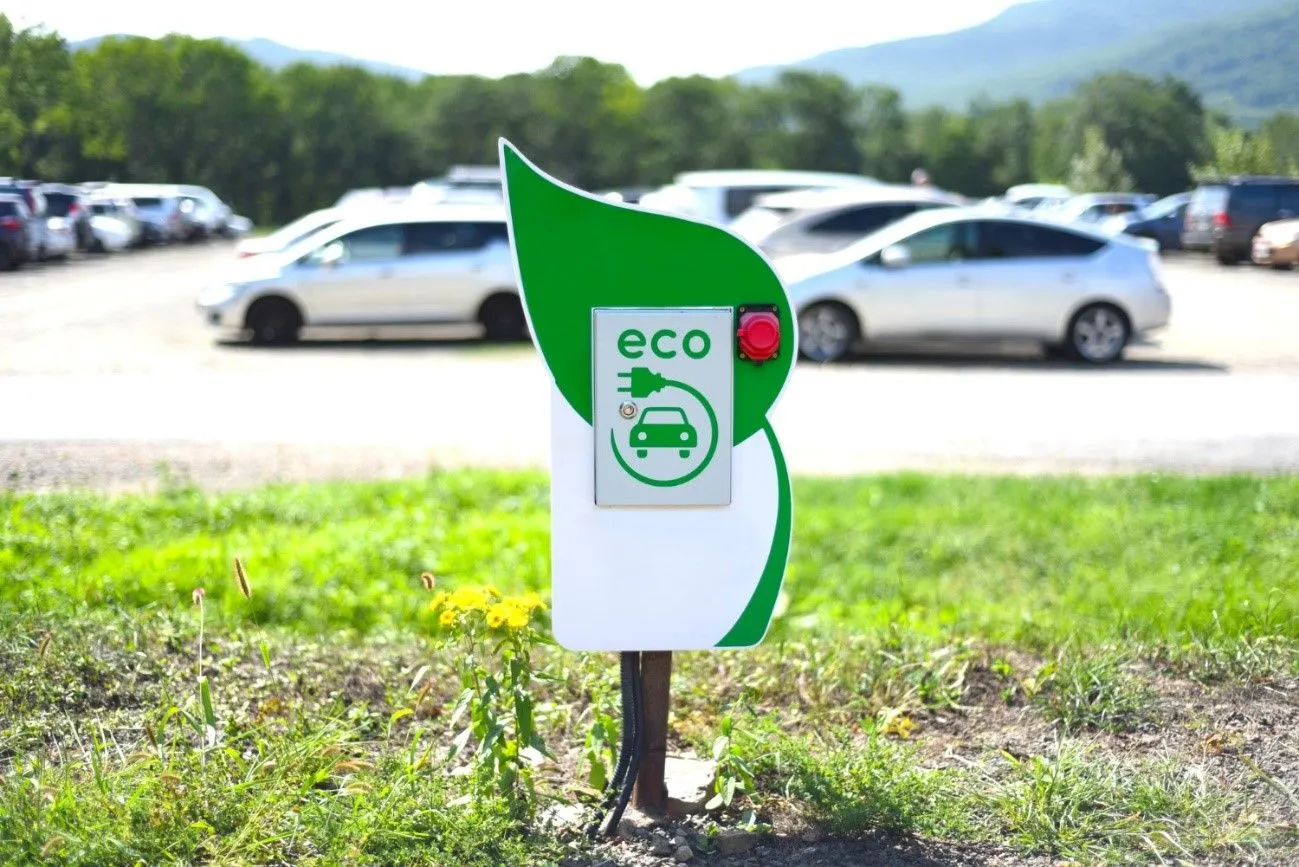
Mobility hubs, which already have pilot experiences in Madrid, are one of the major commitments of Spain’s Ministry of Transport. Inspired by major European capitals, such as London, these hubs are **urban spaces fully designed to optimise the use of sustainable transport. ** This is achieved through the development of shared mobility solutions, access to public transport, installation of electric charging points, etc. Put simply, the idea is to create fully designed “stations” for the transport of the future. In them, users will find everything they need so they do not have to use their polluting vehicle individually and can instead choose much more eco-friendly alternatives.
At APPARKYA, we have worked along these lines to create these urban spaces by including elements in our car parks such as: installation of electric charging points for electric cars; Don Cicleto points (bicycle parking spaces inside our car parks), among others.
LAST-MILE MOBILITY: MAKING THE MOST DIFFICULT PART EASIER
Within the commercial and human activity that takes place every day in large cities, urban mobility specialists have been able to identify the most conflictive key point. **The result is what has come to be known as last-mile mobility. ** This concept, imported from the United States, refers to the logistical difficulties that delivery drivers and suppliers face in bringing goods from logistics points to their final destination, and it becomes even more complicated when we talk about the historic city centre.
Companies play a fundamental role when it comes to presenting solutions, and the concept of “last-mile mobility” is becoming increasingly popular in addressing this issue.
A successful example was the pilot project between APPARKYA and Heineken, which consisted of transporting goods to hospitality businesses in the centre of Seville using small two-wheeled electric vehicles. In this way, large vans and trucks do not enter the historic centre, with the resulting reduction in pollution.
AI SUPPORT FOR MOBILITY
Without a doubt, none of these developments would be possible without the help of technology. From the design of electric cars to the logistical organisational capacity made possible through artificial intelligence… Only in this current moment of major technological revolution and hyperconnectivity is it possible to think about cleaner cities, less congested by traffic and, above all, more responsible towards the future of new generations.
An example of how Artificial Intelligence improves urban mobility is the Free Spaces feature in the Apparkya app, with which you can search for available parking in your city through the app using a simple colour system: green (available parking space), yellow (medium parking level) and red (full parking saturation). This AI-developed feature is a firm step towards more sustainable and eco-friendly urban mobility.
Smart cities are becoming a reality thanks to the existence of scientists and developers who have chosen to apply new digital technologies to this purpose. And this, together with the growing awareness of citizens, means that in this 21st century we are beginning to glimpse the kind of cities that are truly needed.
A major challenge that places sustainable mobility at the centre of public debate and which, thanks to some of the proposals highlighted here, is already being regarded as a success by European authorities.
In the next five years, all citizens will see how mobility hubs, the use of artificial intelligence and low-emission zones become a natural part of everyday life and are no longer seen as something strange or futuristic, but as part of the daily routine of all citizens.