
What are ADAS: Advanced driver assistance systems
Technology is teaming up with driving at a dizzying pace, and it’s no longer unusual to hear talk of flying cars or vehicles that drive themselves. In this futuristic landscape, we find so-called ADAS (by their English acronym) — advanced driver assistance systems. Some are already part of our everyday driving experience, but many are still to be discovered and could bring a major change for many drivers.
HOW ADAS HELP US
According to Spain’s traffic authority (DGT), the rollout of ADAS — advanced driver assistance systems — can reduce the risk of an accident by 57%. That’s why today they’re crucial factors to take into account when buying a car.
There are different types — not only focused on road safety, but also designed to warn us about technical issues or make driving easier. These are some of the most common:
Emergency braking system
Thanks to a set of sensors and cameras, this ADAS can detect obstacles or hazards that could cause a collision. It will then activate automatic braking, adjusting braking force according to the level of danger. A very useful measure that considerably reduces reaction time in these situations.
Parking sensor, the most widespread ADAS
It’s undoubtedly one of the most popular among drivers. The challenges of parking manoeuvres are greatly reduced thanks to this feature — one of the most useful advanced driver assistance systems. With cameras and sensors, the driver can see the rear of the vehicle and better judge distances and movements when fitting the car into a parking space.
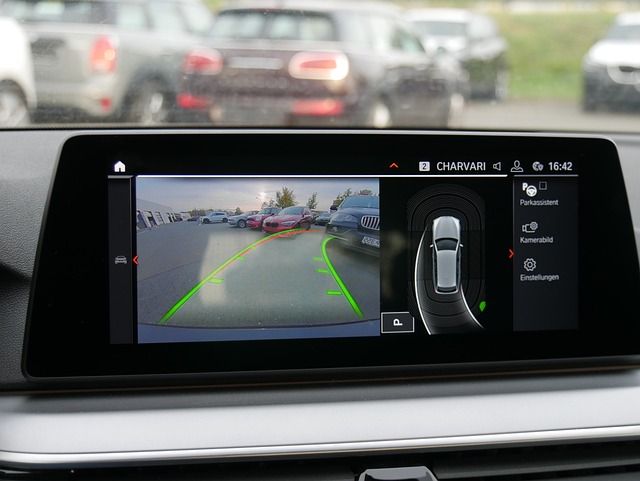
Intelligent speed assistance
This is mandatory in newly type-approved vehicles and is basically a warning to the driver when speed limits are exceeded. More advanced systems recognise limits by road type and by section, which is especially useful on roads where limits change frequently.
Driver fatigue detection system
Can our car tell if we’re tired? The answer is yes. This ADAS detects when we should take a break by monitoring several factors: steering wheel angular velocity, hand pressure on the wheel, or the behaviour of eyes and eyelids.
Blind-spot warning system, another mandatory ADAS
Another very important advanced driver assistance system to prevent collisions, especially side impacts. This ADAS covers the blind spot and alerts the driver that there is a vehicle in it. It must also be fitted in all cars type-approved since 2022.
Alcohol Interlock
Zero alcohol behind the wheel. But we all know many drivers ignore this rule. This feature helps prevent that by requiring the driver to blow into a breathalyser integrated into the vehicle. If the blood alcohol level is above the legal limit for driving, the car simply won’t start.
TECHNOLOGY IN THE SERVICE OF DRIVERS AND SAFETY
There are many more ADAS — advanced driver assistance systems already available in vehicles: cross-traffic alert, seat belt reminder systems, event data recorders, lane keeping assist… And increasingly, legislation is integrating them into regulations, especially those designed to enhance road safety.
What’s clear is that many of them are already vital for our driving, and future technological advances will bring even more. Ultimately, they are the best example of cutting-edge technology put at the service of drivers — and above all, their safety.