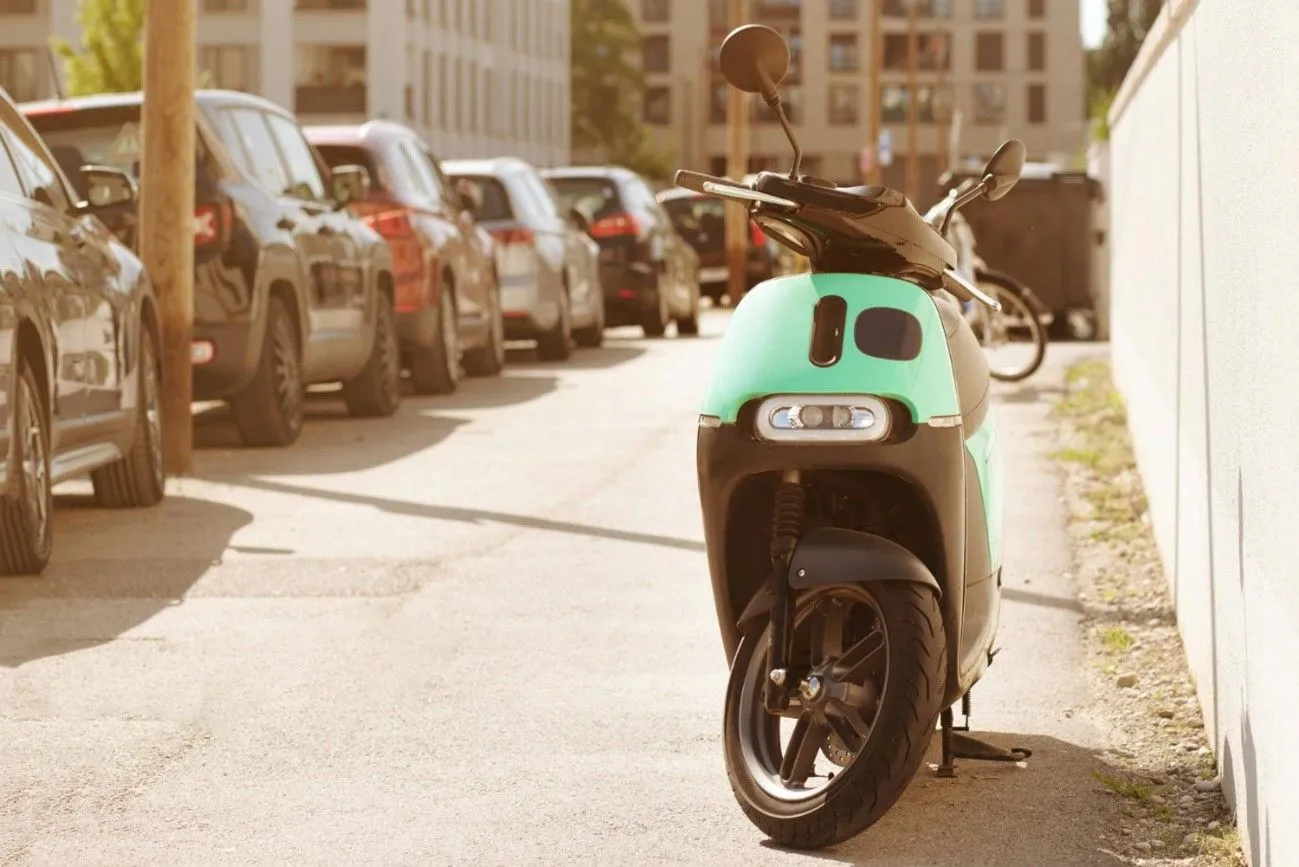
Electric motorcycles: the new trend in two-wheeled mobility
If we take a look at mobility in cities, we can see that the use of electric motorcycles has increased considerably, especially in large cities and their metropolitan areas. But does this perception match reality? Or is it influenced by the relative novelty of seeing these two-wheeled vehicles on the streets?
The correct answer to the question is that, indeed, the number of users in Spain opting for this sustainable mobility alternative is increasing considerably.
THE RISE OF THE ELECTRIC MOTORCYCLE
The rise of the electric motorcycle can be confirmed with three simple statistical facts. According to a report by UNESPA, the association that includes most Spanish insurance companies, in 2020 there were around 40,000 electric motorcycles and 18,000 electric mopeds circulating in our country. At that time, these units represented approximately 2% of motorcycles and mopeds.
For its part, figures from the DGT show that the number of registrations of electric two-wheeled vehicles in 2022 was slightly above 100,000. In other words, the increase in the number of electric motorcycles and mopeds is more than evident.
The final statistic is that 8.5% of two-wheeled vehicle registrations in 2022 corresponded to electric models; a percentage four times higher than the already mentioned 2% in 2020.
MOTOSHARING: SUSTAINABLE MOBILITY WITH ELECTRIC MOTORCYCLES
This remarkable boost has a lot to do with companies that have invested in motosharing. This is an electric motorcycle rental service that we are increasingly finding in large cities. In this regard, there are companies such as:
- Acciona
- Yego
- Movo
- Cooltra
These firms offer a motosharing service charged by the minute. The price varies between 19 cents and 45 cents per minute, depending on the company providing the service, the city, and the time at which the user uses the motorcycle.
The rates include helmets, insurance, and free parking areas for rental electric motorcycles.
DELIVERY COMPANIES THAT HAVE ELECTRIC MOTORCYCLES IN THEIR FLEET
The vast majority of delivery companies operating in the last-mile mobility sector have already begun to incorporate electric motorcycles into their fleets, progressively but steadily.
And food delivery companies are not ignoring the era of sustainable mobility either. The best-known ones, such as Burger King, Domino’s Pizza or Just Eat, also have a good number of electric motorcycles and scooters.
As for public delivery companies, in 2022 Correos added 800 new electric motorcycles to its fleet. The public company’s forecasts are to have a total of 2,700 of these sustainable vehicles before the end of 2023.
A NEW OPTION: TWO-WHEELED ELECTRIC VEHICLES ESPECIALLY DESIGNED TO TRANSPORT SMALL PACKAGES
The direct consequence is that the number of companies manufacturing and marketing two-wheeled electric vehicles specially adapted for transporting small and lightweight packages is also increasing.
What all of them have in common is that they offer agile electric motorcycles with considerable range and equipped with the essential features so that delivery tasks can be carried out with maximum efficiency and safety. In addition, another advantage of these vehicles is that they can be used to deliver in areas with difficult access, such as historic city centres, where only certain vehicles are allowed to enter.
On the other hand, the motorcycles offered by these manufacturers are suitable for recharging at all types of charging points, whether conventional or fast chargers.
POLICIES TO ENCOURAGE THE PURCHASE OF ELECTRIC MOTORCYCLES
There are various aid schemes to encourage the purchase of electric motorcycles, both at national and regional level.
At national level, the MOVES III Plan offers up to 1,300 euros in subsidies for the purchase of electric motorcycles that meet certain requirements*, such as having a power output equal to or greater than 3 kW, a minimum range of 70 km, and a maximum price of 10,000 euros. In addition, an extra bonus can be obtained if a combustion motorcycle is permanently deregistered and sent to be scrapped.
The Zero Emissions Mobility Promotion Plan of the Community of Madrid covers up to 50% of the purchase price of all zero-emission vehicles, with a maximum of 1,000 euros per electric motorcycle, 700 euros per electric moped, and 600 euros for bicycles with electric pedal-assist systems.
Given that practically all the autonomous communities and the town councils of the main provincial capitals have some kind of aid in this regard, the most practical thing to do is request the relevant information from these bodies.
At AUSSA, we also do our bit to contribute to the rise of sustainable mobility: our car parks are equipped with service points where our customers can recharge their motorcycle or electric car, as is the case with Mercado del Arenal, Mercado de Triana, Rafael Salgado and José Laguillo Car Parks in Seville.